Wax On, Wear Out: How Batik Crashed American Fashion and Isn't Leaving Anytime Soon
From Javanese Villages to Your Instagram Feed
Somewhere between a viral TikTok haul and a Brooklyn pop-up market, batik stopped being a fabric people needed explained to them. If you've been paying even half attention to American fashion over the last year or so, you've probably noticed it — those rich, layered patterns with their distinctive crackled wax texture showing up on everything from oversized button-downs to sneaker collab drops. Batik, the traditional Indonesian textile technique that dates back centuries, is having what can only be described as a genuine cultural moment in the United States.
And unlike a lot of fashion trends that burn bright and disappear, this one has some serious staying power behind it.
What Batik Actually Is (And Why It's Not Just a Print)
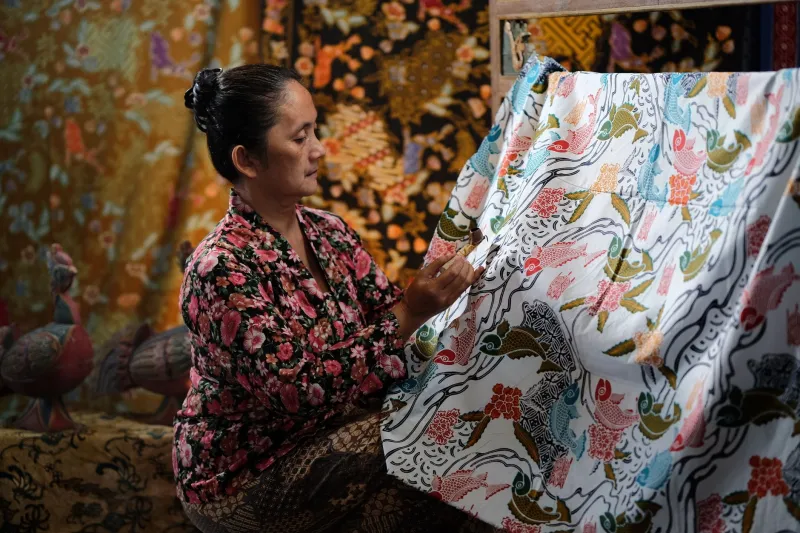
Before we go further, it's worth clearing something up, because it matters to the people who make it. Batik isn't just a pattern you can slap on a digital printer and call it a day. Traditional batik — the kind that comes out of Java, Madura, and other parts of Indonesia — is a labor-intensive process where artisans use a tool called a canting to apply hot wax in precise designs onto fabric, which is then dyed, re-waxed, and dyed again, sometimes dozens of times to build up complex layered color.
There's also batik cap, which uses copper stamps for a more consistent, faster process, and then there's the mass-produced printed version that mimics the look without the craft. The distinction matters enormously to Indonesian artisans, to diaspora communities, and increasingly to the eco-conscious American consumers who've started doing their homework before they buy.
When people in the Indonesian-American community talk about the batik revival, they're often cautiously optimistic about exactly this point. The interest is real and welcome — but so is the concern about whether the craft itself gets respected in the process.
Designers Who Are Actually Doing the Work
The good news is that some of the most visible names pushing batik into American wardrobes aren't cutting corners. A growing wave of independent designers — many of them Indonesian-American or with deep ties to the archipelago — have built their entire brands around sourcing authentic handmade batik from Indonesian cooperatives and translating those textiles into silhouettes that speak to American street culture.
Think wide-leg trousers in deep indigo batik tulis paired with clean white tees. Reversible bomber jackets where one side is classic Jogja-style parang motif and the other is solid black. Bucket hats and tote bags that somehow look at home in Williamsburg and at a Jakarta night market simultaneously.
What's clever about how these designers are positioning batik isn't that they're hiding its Indonesian origins — they're leaning into them hard. The storytelling is part of the product. QR codes on hang tags linking to videos of the artisan who made the fabric. Instagram Reels showing the full wax-and-dye process. It turns out that Gen Z, the generation that cares more about supply chain transparency than any before it, finds that kind of authenticity genuinely compelling.
The TikTok Effect
It would be dishonest to talk about batik's American moment without crediting the algorithm. A handful of Indonesian-American creators started posting styling videos — batik co-ords, thrifted batik shirts restyled for everyday wear, DIY batik dyeing tutorials shot in backyard settings — and the engagement was, to put it mildly, enthusiastic.
The sustainability angle hit especially hard. Videos framing batik as the antidote to fast fashion, as clothing with actual provenance and craft behind it, racked up hundreds of thousands of views. When one creator posted a side-by-side of a $12 fast-fashion knockoff print versus a piece of genuine batik tulis explaining the difference in process and cost, it sparked a comment section debate that ran for days.
That kind of organic education is doing more for batik's reputation in the US than any marketing campaign could.
High Fashion Pays Attention
Mainstream American designers have noticed. Several labels showed pieces in their 2025 collections that drew explicit inspiration from Indonesian batik motifs — the kawung (a geometric pattern based on palm fruit), the mega mendung (the cloud pattern from Cirebon), and various floral buketan styles that were historically developed for Dutch colonial trade. The collections were met with a mix of admiration and pointed questions about credit and collaboration.
The more thoughtful designers responded by naming their Indonesian sources publicly and, in some cases, building direct commercial relationships with Indonesian batik cooperatives. It's not a perfect system, and the conversation about what respectful cultural exchange looks like in fashion is ongoing. But the fact that it's happening at all — that American consumers are asking those questions and designers feel pressure to answer them — is genuinely new.
What the Indonesian-American Community Thinks
For Indonesian-Americans, watching batik go mainstream in the US is a complicated feeling that most describe as mostly wonderful with a side of anxiety. There's real pride in seeing something so deeply tied to Indonesian identity get recognized and celebrated. There's also a watchfulness about whether the craft and the culture behind it get flattened into mere aesthetic.
Community events in cities like Los Angeles, Houston, and the Bay Area — places with established Indonesian-American populations — have seen increased interest from non-Indonesian attendees specifically because of batik's rising profile. Cultural festivals that used to draw mostly diaspora crowds are now pulling in curious newcomers who came for the fabric and stayed for the food, the music, and the conversation.
That's the thing about batik as a gateway. It's a beautiful, tactile, visually arresting object that invites questions. And when people start asking questions about the cloth, they usually end up asking about the culture that made it.
Where It Goes From Here
The batik wave in American fashion doesn't look like it's cresting anytime soon. With sustainability concerns reshaping how younger consumers think about clothing, with the ongoing appetite for authentic craft in a world drowning in algorithmic sameness, and with a growing Indonesian-American community actively shaping cultural narratives in this country, the conditions for batik's continued presence in American fashion are genuinely strong.
The hope — shared by designers, artisans, and community members alike — is that the interest stays curious and respectful rather than shallow and extractive. That people who buy a batik shirt want to know where it came from. That they learn to say canting correctly. That they follow the Indonesian artists and cooperatives doing the foundational work.
Batik has survived colonialism, industrialization, and decades of being dismissed as niche ethnic wear. It can probably survive a TikTok trend. The question is whether that trend leaves something lasting behind.