Why Every Gen Z Mood Board Has a Corner of Madura in It Now
Somewhere between a Notion page aesthetic and a Pinterest board full of saturated market photography, Pamekasan showed up. Not with a big campaign. Not with a celebrity endorsement. Just... organically, the way Gen Z discovers everything — through a 47-second TikTok, a travel vlog with 200,000 views, and a comment section that turned into a rabbit hole nobody planned on falling into.
If you're not already familiar, Pamekasan is the cultural heart of Madura Island, off the northeastern coast of Java in Indonesia. It's the kind of place that locals have always known as deeply, fiercely itself — famous for the Karapan Sapi bull races, a thriving batik tradition with patterns distinct from anything coming out of Yogyakarta or Solo, and street markets that look like a color theory class taught by someone who actually has taste. For most of the world, though, it flew under the radar for a very long time.
That's changing fast.
The Visual Language That Started It All
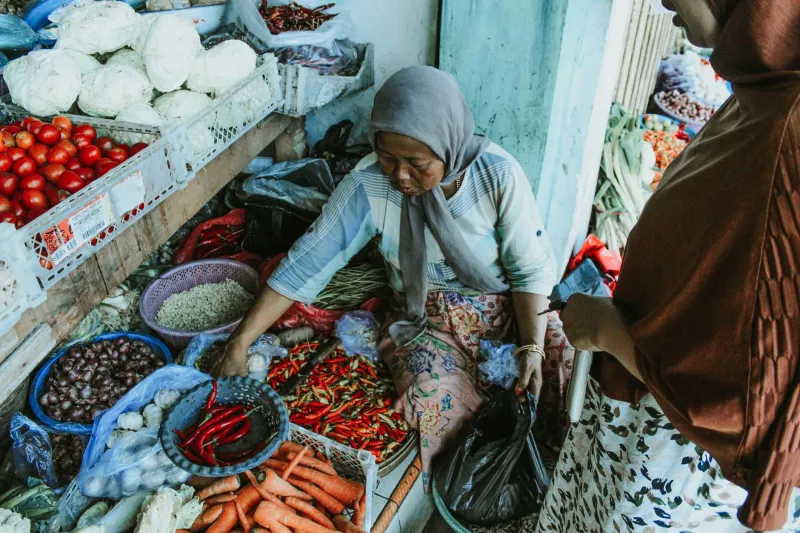
Ask anyone who's fallen into the Pamekasan corner of the internet what first caught their eye, and the answer is almost always the same: the color. The street markets — particularly the ones around Pasar 17 Agustus — don't look like anything you'd casually scroll past. Deep reds, electric yellows, layered textures of woven fabric and fresh produce and handmade goods stacked with a kind of chaotic intentionality that photographers and designers dream about.
Travel creators started posting footage from Pamekasan and Madura more broadly around 2022 and 2023, often framing it as an "underrated" or "secret" Indonesian destination compared to the Bali-or-bust itineraries most Western tourists default to. The response, especially from younger audiences, was immediate. Comments filled with "where IS this" and "adding to my list" and — crucially — people screenshotting frames to drop into their mood boards and design references.
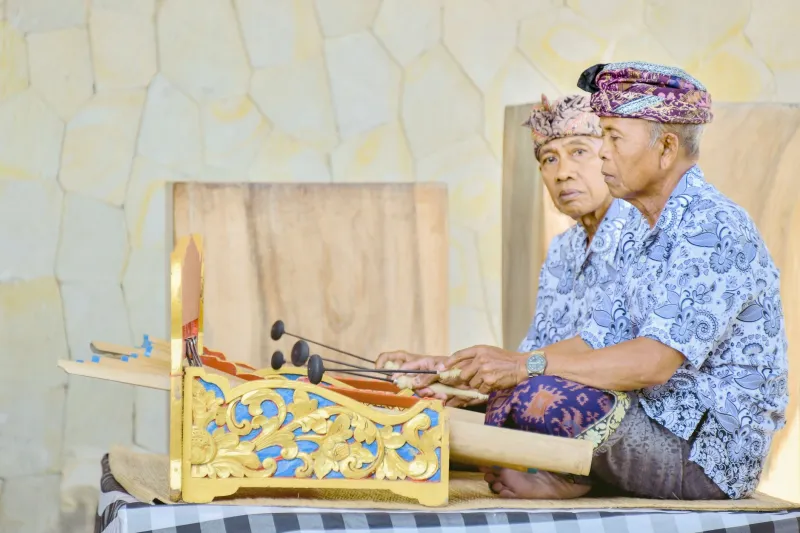
It wasn't just the markets. The traditional Madurese architecture, the hand-dyed fabrics sold in narrow lanes, the visual pop of a bull race crowd — all of it reads as intensely intentional to an audience trained to spot authenticity from a mile away and reject anything that feels curated for outside consumption.
Pamekasan doesn't perform for the camera. That's exactly why the camera can't stop pointing at it.
From Aesthetic Inspo to Indie Brand Territory
Once a place finds its way into enough mood boards, it's only a matter of time before brands notice. And sure enough, a small but growing number of indie labels — particularly in the sustainable fashion and handcraft space — have started citing Madura and Pamekasan specifically as visual and cultural references.
Some of this is happening through direct collaboration. A handful of American and European indie designers have connected with Madurese artisans, sourcing batik fabric with the region's signature geometric boldness and building small-batch collections around it. Others are being more transparent about the influence without the direct supply chain piece — mood board credit, essentially, which is its own kind of cultural conversation worth having.
There's a real question embedded in all of this about what appreciation looks like versus what appropriation looks like, and Gen Z — to its credit — is actually asking it. Comment sections under Pamekasan-inspired content regularly include people asking whether the original makers are being credited, whether money is flowing back to the community, whether the story is being told accurately. That's a different kind of engagement than what older aesthetic trends produced, and it matters.
What Makes Pamekasan Different From the Last "Discovered" Place
Every few years, a place gets "discovered" by Western travel culture and the internet does its thing — floods it with visitors, flattens its complexity into a handful of iconic images, and moves on when the next thing comes along. Bali went through a version of this. So did certain neighborhoods in Seoul, certain markets in Marrakech.
Pamekasan is in an interesting position right now because it hasn't fully entered that cycle yet. The infrastructure for mass tourism isn't there. The flights aren't direct. The content coming out of it is still mostly being made by people with a genuine connection to the place — Indonesian travelers, diaspora creators, the occasional adventurous solo tripper who did their research. That means the version of Pamekasan circulating online is still pretty close to the real thing.
Madurese-Americans and Indonesian-Americans in the US have noticed the attention, and reactions are mixed in the way they always are when your hometown suddenly becomes someone else's aesthetic. There's pride — because Pamekasan deserves the recognition and then some. There's also a kind of protective instinct, a hope that the story doesn't get flattened into just the bull races and the market colors, leaving out the history, the language, the food, the deeply specific local pride that makes the place what it is.
The Karapan Sapi Factor
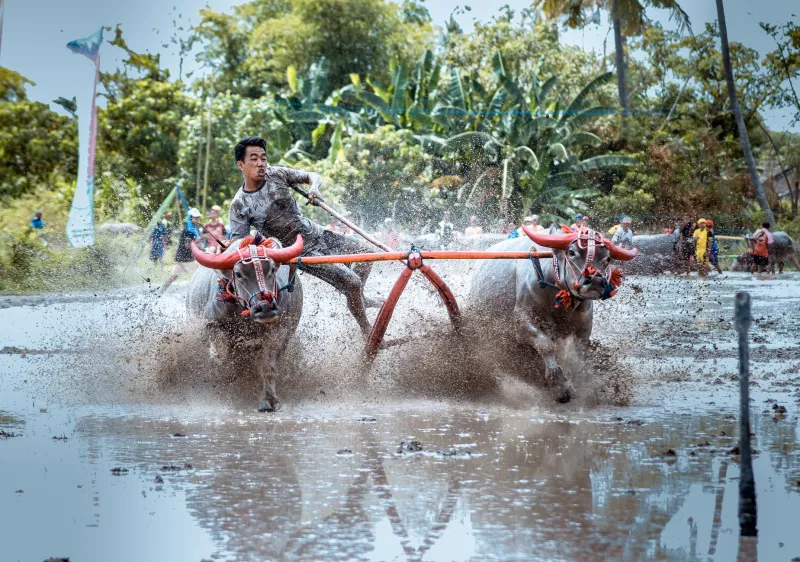
It would be impossible to talk about Pamekasan's global moment without talking about Karapan Sapi — the traditional bull racing festival that is, genuinely, one of the most visually spectacular cultural events in all of Southeast Asia. Pairs of bulls decorated with elaborate ornaments race down a track while a jockey rides a wooden sled behind them. The speed is real. The pageantry is overwhelming. The crowd energy is unlike anything most Americans have ever seen at a sporting event.
Video clips of Karapan Sapi have been circulating on social media for years, but they've hit differently recently — partly because of the broader interest in Pamekasan, and partly because Gen Z's appetite for "things that exist outside the algorithm's usual recommendations" has grown significantly. Karapan Sapi is weird and wonderful and completely its own thing, and that combination is basically catnip for an audience that's exhausted by sameness.
Keeping It Real as the Spotlight Grows
Here's the thing about Pamekasan: it doesn't need the validation. The bull races happened before TikTok and they'll happen long after whatever comes next. The batik makers aren't waiting for a Brooklyn boutique to tell them their work has value. The markets were vibrant and alive before anyone with a ring light showed up to film them.
What the global attention can do — if it's handled thoughtfully — is create pathways. For Madurese-American communities to tell their own stories on their own terms. For indie collaborations that actually pay artisans fairly and credit them clearly. For American travelers to show up with curiosity and respect rather than just content to harvest.
The Pamekasan aesthetic is real. The culture behind it is realer. And the best thing Gen Z can do with this particular obsession is let that order stay exactly as it is.