Hanging Out Is the Point: How Indonesia's Nongkrong Tradition Is Quietly Healing America's Loneliness Epidemic
Let's be honest: American friendship has a scheduling problem.
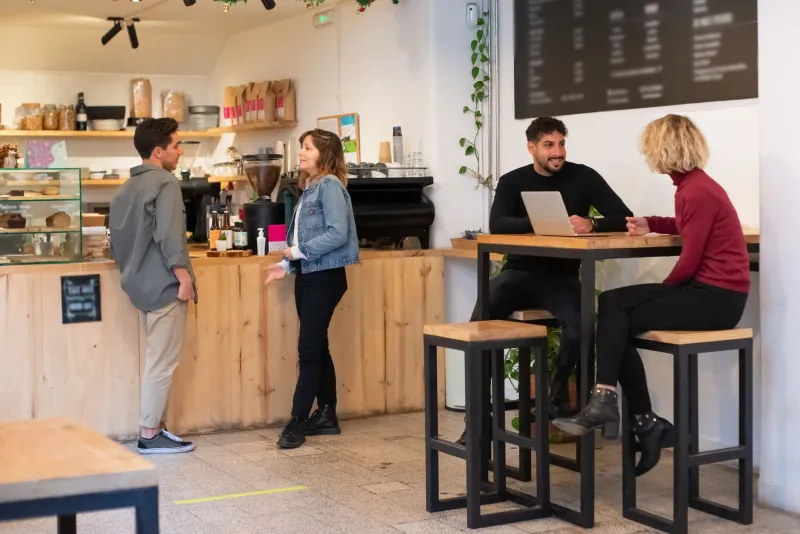
You text someone you genuinely like and haven't seen in months. You both agree it's been too long. Someone suggests getting together. Then comes the negotiation — Google Calendar links, rain checks, a brunch that gets pushed three weeks out. By the time you actually sit across from each other, it feels less like hanging out and more like a quarterly review.
Now contrast that with nongkrong.
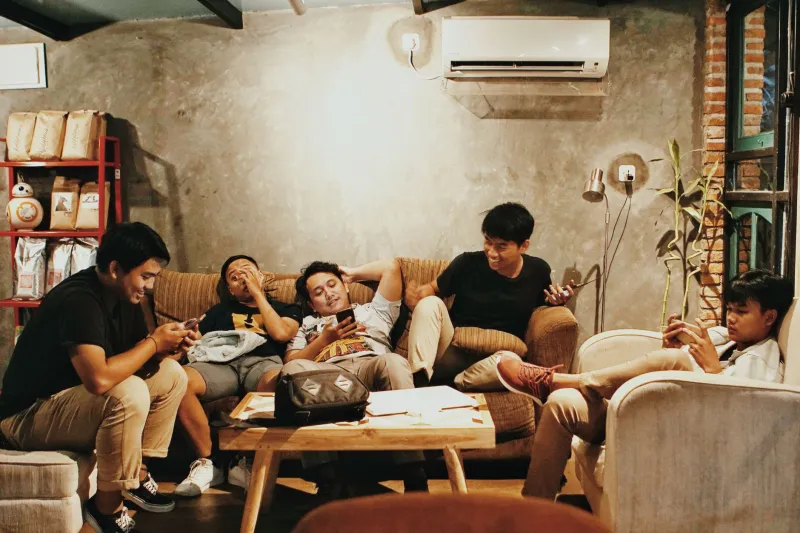
In Indonesian — especially Javanese and Madurese — culture, nongkrong (pronounced roughly nong-krong) is the simple, almost stubborn act of hanging out with nowhere particular to be and nothing specific to accomplish. You show up to a warung, a front porch, a street corner, or a friend's living room. You drink something. You talk about nothing important. You stay until you feel like leaving. That's it. That's the whole thing.
And somehow, that's everything.
What Nongkrong Actually Is (And Isn't)
Nongkrong isn't a party. It isn't networking. It definitely isn't a structured "experience" you book on an app. It's closer to what older generations of Americans might remember as just... being at someone's house. No theme. No itinerary. No performance.
The word itself loosely translates to "to squat" or "to hang around," which tells you something about its energy. It's unhurried. It's low to the ground. It asks nothing of you except your presence.
For Indonesian-Americans, nongkrong is often the social glue that holds communities together — particularly in cities where the Indonesian diaspora is spread thin. Reza, a 27-year-old from Surabaya now living in Chicago, describes his family's version of it as "basically the default setting for any visit."
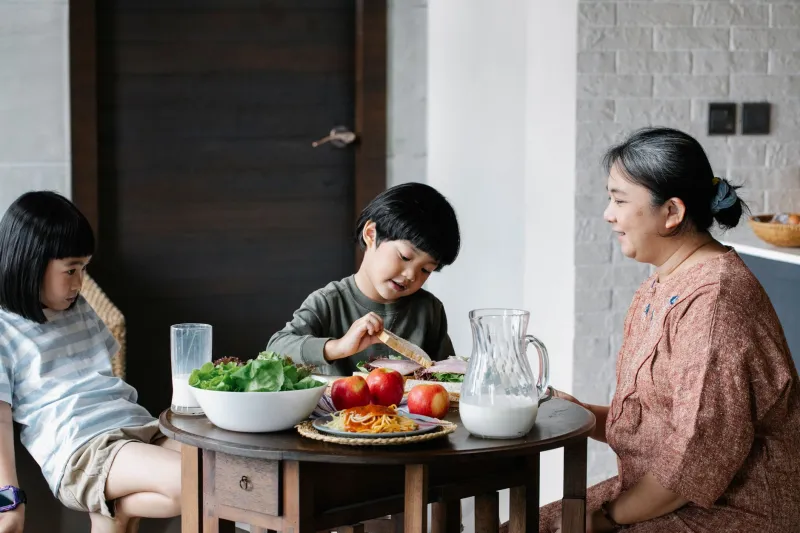
"When I go home, or when relatives come over, nobody makes a plan," he says. "Someone shows up. Then someone else shows up. You make tea or coffee. You sit outside if it's nice. Hours pass. You didn't do anything, but you feel full."
That last phrase — you feel full — comes up again and again when Indonesian-Americans talk about nongkrong. It's a kind of social satiation that has nothing to do with productivity or memorable moments. It's just the feeling of not being alone, sustained quietly over time.
America's Productivity Trap
Here's the uncomfortable thing: most Americans are terrible at nongkrong, and they know it.
US culture has spent decades tying self-worth to output. Even leisure gets optimized — hiking apps that track elevation gain, book clubs with discussion guides, dinner parties with curated playlists and aesthetic tablescapes. Rest has to be earned, and hanging out has to be worthwhile.
The result? A loneliness crisis that's been officially declared a public health emergency. The US Surgeon General's 2023 advisory on loneliness found that nearly half of American adults report measurable feelings of isolation. Younger adults — Gen Z especially — report the highest rates, despite being the most digitally connected generation in history.
Social media has replaced nongkrong with its hollow cousin: performative togetherness. You post the hang, document the meal, share the moment — and somehow feel emptier afterward.
Fatimah, a first-generation Indonesian-American community organizer in Los Angeles, has watched this play out in her own social circles. "My American friends are always trying to make the hangout mean something," she says. "Like it has to be a memory. But nongkrong isn't about making memories. It's about being present. The meaning comes later, if it comes at all."
Why Gen Z Is Starting to Get It
Something interesting is happening on the quieter corners of TikTok and in group chats across the country. Young people — not all Indonesian, not even mostly Indonesian — are pushing back against the pressure to make every social interaction count.
"Soft hanging" is one phrase floating around. "Parallel play for adults" is another. The concept is the same: being near people you like without the pressure of entertaining or being entertained. It's nongkrong by another name, and it's resonating hard.
Diana, a 23-year-old Indonesian-American college student in Seattle, started hosting what she calls "open afternoons" in her apartment — no agenda, no theme, just an open door and a pot of something warm on the stove. "People come and go. Sometimes we talk a lot, sometimes we're all just on our phones in the same room. But everyone leaves feeling better than when they came in."
She didn't set out to recreate her parents' culture. She just got tired of friendships that felt like appointments.
The Science Behind Doing Nothing Together
It turns out there's solid research backing up what Indonesian communities have known for generations. Ambient social connection — being near others without direct interaction — has measurable mental health benefits. Studies on co-working, shared reading spaces, and even just sitting in public parks show that low-pressure proximity to other humans reduces cortisol levels and increases feelings of belonging.
The key word is low-pressure. The moment social time becomes performance — when you have to be funny, interesting, or emotionally available on demand — it stops being restorative and starts being exhausting. Nongkrong works precisely because it removes that pressure entirely.
You don't have to be "on." You just have to be there.
Bringing Nongkrong Into Your Own Life
So what does nongkrong look like in an American context? It doesn't require a warung or a specific cultural setting. It just requires a few shifts in how you think about social time.
Lower the bar for showing up. Nongkrong thrives when the threshold is almost nothing. "Come by if you want" is more nongkrong than "Let's schedule brunch."
Kill the agenda. No planned activity, no talking point, no reason to be together other than that you want to be near each other. Silence is fine. Scrolling your phone is fine. Doing nothing is the point.
Make it regular, not special. Nongkrong works because it's not an event — it's a rhythm. The same corner, the same porch, the same group, loosely and often.
Let it be unproductive. This is the hardest one for Americans. Nothing has to come out of it. No plans made, no problems solved, no memories manufactured. The value is in the time itself.
Something America Forgot It Needed
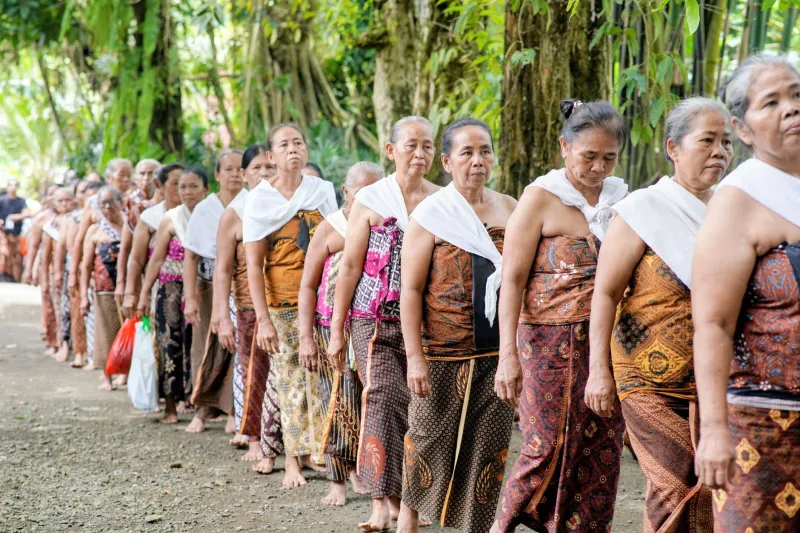
There's a reason Pamekasan, and Madura more broadly, carries such a strong sense of community identity. It's not just geography or history — it's the daily practice of showing up for each other without needing a reason. Nongkrong is one thread in that fabric, and it's a thread worth pulling on.
America doesn't lack the desire for connection. It lacks permission to let connection be simple.
Maybe that's the real gift nongkrong offers: not a new social format or a wellness trend, but a reminder that just being somewhere with someone you like — unhurried, unscheduled, unproductive — is not wasted time.
It might be the most important time you spend.